15 Haircuts to Show Your Barber Before Your Next Appointment brings together practical ideas for men’s hair readers who want inspiration they can actually use. Each section focuses on one distinct direction, with a clear visual reference so the idea is easy to understand and save for later.
1. Textured Crop

The Textured Crop approach works because the shape is easy to understand before you sit in the chair. The sides should be clearly discussed with the barber, while the top length is adjusted for your texture and styling routine. In practice, this is less about copying one exact image and more about understanding the pieces that create the look. Save a reference that shows the detail clearly, then adapt the proportions, colors or level of polish to your own setting.
The Textured Crop details approach works because the shape is easy to understand before you sit in the chair. The sides should be clearly discussed with the barber, while the top length is adjusted for your texture and styling routine. In practice, this is less about copying one exact image and more about understanding the pieces that create the look. Save a reference that shows the detail clearly, then adapt the proportions, colors or level of polish to your own setting.
2. Low Taper

The Low Taper approach works because the shape is easy to understand before you sit in the chair. The sides should be clearly discussed with the barber, while the top length is adjusted for your texture and styling routine. In practice, this is less about copying one exact image and more about understanding the pieces that create the look. Save a reference that shows the detail clearly, then adapt the proportions, colors or level of polish to your own setting.
The Low Taper details approach works because the shape is easy to understand before you sit in the chair. The sides should be clearly discussed with the barber, while the top length is adjusted for your texture and styling routine. In practice, this is less about copying one exact image and more about understanding the pieces that create the look. Save a reference that shows the detail clearly, then adapt the proportions, colors or level of polish to your own setting.
3. Classic Fade

The Classic Fade approach works because the shape is easy to understand before you sit in the chair. The sides should be clearly discussed with the barber, while the top length is adjusted for your texture and styling routine. In practice, this is less about copying one exact image and more about understanding the pieces that create the look. Save a reference that shows the detail clearly, then adapt the proportions, colors or level of polish to your own setting.
The Classic Fade details approach works because the shape is easy to understand before you sit in the chair. The sides should be clearly discussed with the barber, while the top length is adjusted for your texture and styling routine. In practice, this is less about copying one exact image and more about understanding the pieces that create the look. Save a reference that shows the detail clearly, then adapt the proportions, colors or level of polish to your own setting.
4. Short Quiff

The Short Quiff approach works because the shape is easy to understand before you sit in the chair. Think about where the volume sits, how the front frames the face and how much daily styling the shape actually needs. In practice, this is less about copying one exact image and more about understanding the pieces that create the look. Save a reference that shows the detail clearly, then adapt the proportions, colors or level of polish to your own setting.
The Short Quiff details approach works because the shape is easy to understand before you sit in the chair. Think about where the volume sits, how the front frames the face and how much daily styling the shape actually needs. In practice, this is less about copying one exact image and more about understanding the pieces that create the look. Save a reference that shows the detail clearly, then adapt the proportions, colors or level of polish to your own setting.
5. Curly Top

The Curly Top approach works because the shape is easy to understand before you sit in the chair. Think about where the volume sits, how the front frames the face and how much daily styling the shape actually needs. In practice, this is less about copying one exact image and more about understanding the pieces that create the look. Save a reference that shows the detail clearly, then adapt the proportions, colors or level of polish to your own setting.
The Curly Top details approach works because the shape is easy to understand before you sit in the chair. Think about where the volume sits, how the front frames the face and how much daily styling the shape actually needs. In practice, this is less about copying one exact image and more about understanding the pieces that create the look. Save a reference that shows the detail clearly, then adapt the proportions, colors or level of polish to your own setting.
6. Short Taper

This version of 6. short taper gives the original idea a more specific direction. The visual reference should make the defining detail obvious at a glance, while the styling choice stays practical enough to adapt to different wardrobes, routines, rooms or group sizes. Start with the main shape or color, then adjust the supporting pieces instead of changing everything at once.
The useful part is the decision behind the look: what creates the silhouette, where the eye goes first, and which detail can be simplified when you recreate it. Save the reference as a starting point and adapt the finish to the setting, season and amount of time you actually have.
7. Side Part + Taper

This version of 7. side part + taper gives the original idea a more specific direction. The visual reference should make the defining detail obvious at a glance, while the styling choice stays practical enough to adapt to different wardrobes, routines, rooms or group sizes. Start with the main shape or color, then adjust the supporting pieces instead of changing everything at once.
The useful part is the decision behind the look: what creates the silhouette, where the eye goes first, and which detail can be simplified when you recreate it. Save the reference as a starting point and adapt the finish to the setting, season and amount of time you actually have.
8. Textured Quiff

This version of 8. textured quiff gives the original idea a more specific direction. The visual reference should make the defining detail obvious at a glance, while the styling choice stays practical enough to adapt to different wardrobes, routines, rooms or group sizes. Start with the main shape or color, then adjust the supporting pieces instead of changing everything at once.
The useful part is the decision behind the look: what creates the silhouette, where the eye goes first, and which detail can be simplified when you recreate it. Save the reference as a starting point and adapt the finish to the setting, season and amount of time you actually have.
9. High-and-Tight
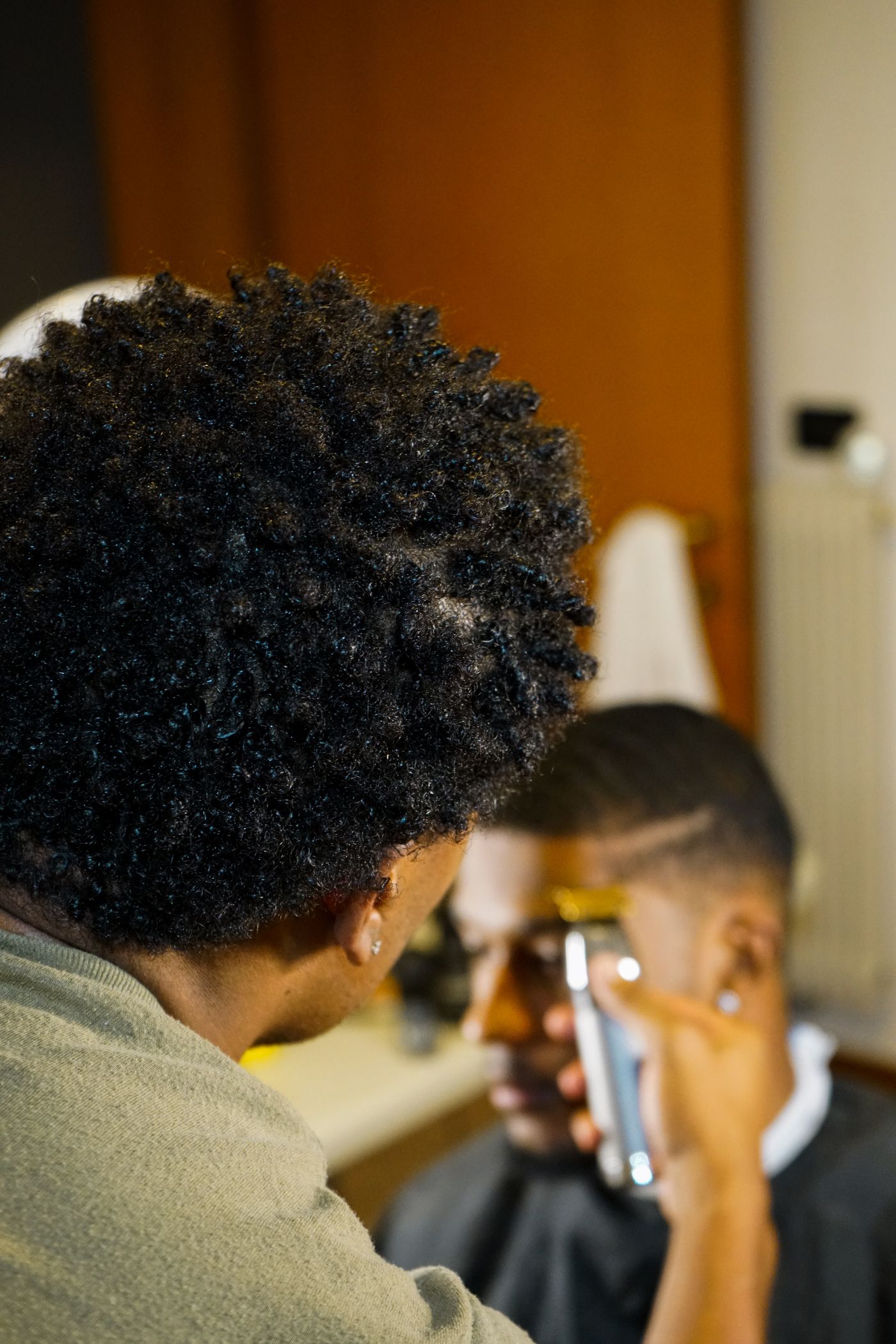
This version of 9. high-and-tight gives the original idea a more specific direction. The visual reference should make the defining detail obvious at a glance, while the styling choice stays practical enough to adapt to different wardrobes, routines, rooms or group sizes. Start with the main shape or color, then adjust the supporting pieces instead of changing everything at once.
The useful part is the decision behind the look: what creates the silhouette, where the eye goes first, and which detail can be simplified when you recreate it. Save the reference as a starting point and adapt the finish to the setting, season and amount of time you actually have.
10. Medium Scissor Cut

This version of 10. medium scissor cut gives the original idea a more specific direction. The visual reference should make the defining detail obvious at a glance, while the styling choice stays practical enough to adapt to different wardrobes, routines, rooms or group sizes. Start with the main shape or color, then adjust the supporting pieces instead of changing everything at once.
The useful part is the decision behind the look: what creates the silhouette, where the eye goes first, and which detail can be simplified when you recreate it. Save the reference as a starting point and adapt the finish to the setting, season and amount of time you actually have.
11. Slick Back

This version of 11. slick back gives the original idea a more specific direction. The visual reference should make the defining detail obvious at a glance, while the styling choice stays practical enough to adapt to different wardrobes, routines, rooms or group sizes. Start with the main shape or color, then adjust the supporting pieces instead of changing everything at once.
The useful part is the decision behind the look: what creates the silhouette, where the eye goes first, and which detail can be simplified when you recreate it. Save the reference as a starting point and adapt the finish to the setting, season and amount of time you actually have.
12. Clean Crop

This version of 12. clean crop gives the original idea a more specific direction. The visual reference should make the defining detail obvious at a glance, while the styling choice stays practical enough to adapt to different wardrobes, routines, rooms or group sizes. Start with the main shape or color, then adjust the supporting pieces instead of changing everything at once.
The useful part is the decision behind the look: what creates the silhouette, where the eye goes first, and which detail can be simplified when you recreate it. Save the reference as a starting point and adapt the finish to the setting, season and amount of time you actually have.
13. Curly Top

This version of 13. curly top gives the original idea a more specific direction. The visual reference should make the defining detail obvious at a glance, while the styling choice stays practical enough to adapt to different wardrobes, routines, rooms or group sizes. Start with the main shape or color, then adjust the supporting pieces instead of changing everything at once.
The useful part is the decision behind the look: what creates the silhouette, where the eye goes first, and which detail can be simplified when you recreate it. Save the reference as a starting point and adapt the finish to the setting, season and amount of time you actually have.
14. Classic Pompadour

This version of 14. classic pompadour gives the original idea a more specific direction. The visual reference should make the defining detail obvious at a glance, while the styling choice stays practical enough to adapt to different wardrobes, routines, rooms or group sizes. Start with the main shape or color, then adjust the supporting pieces instead of changing everything at once.
The useful part is the decision behind the look: what creates the silhouette, where the eye goes first, and which detail can be simplified when you recreate it. Save the reference as a starting point and adapt the finish to the setting, season and amount of time you actually have.
15. Longer Scissor Flow

This version of 15. longer scissor flow gives the original idea a more specific direction. The visual reference should make the defining detail obvious at a glance, while the styling choice stays practical enough to adapt to different wardrobes, routines, rooms or group sizes. Start with the main shape or color, then adjust the supporting pieces instead of changing everything at once.
The useful part is the decision behind the look: what creates the silhouette, where the eye goes first, and which detail can be simplified when you recreate it. Save the reference as a starting point and adapt the finish to the setting, season and amount of time you actually have.
How to use this guide
Save the individual ideas that fit your plans instead of treating the list as one fixed formula. The strongest references show the defining detail clearly, while the notes explain what to combine, what to keep simple and what to discuss before you recreate the look.


