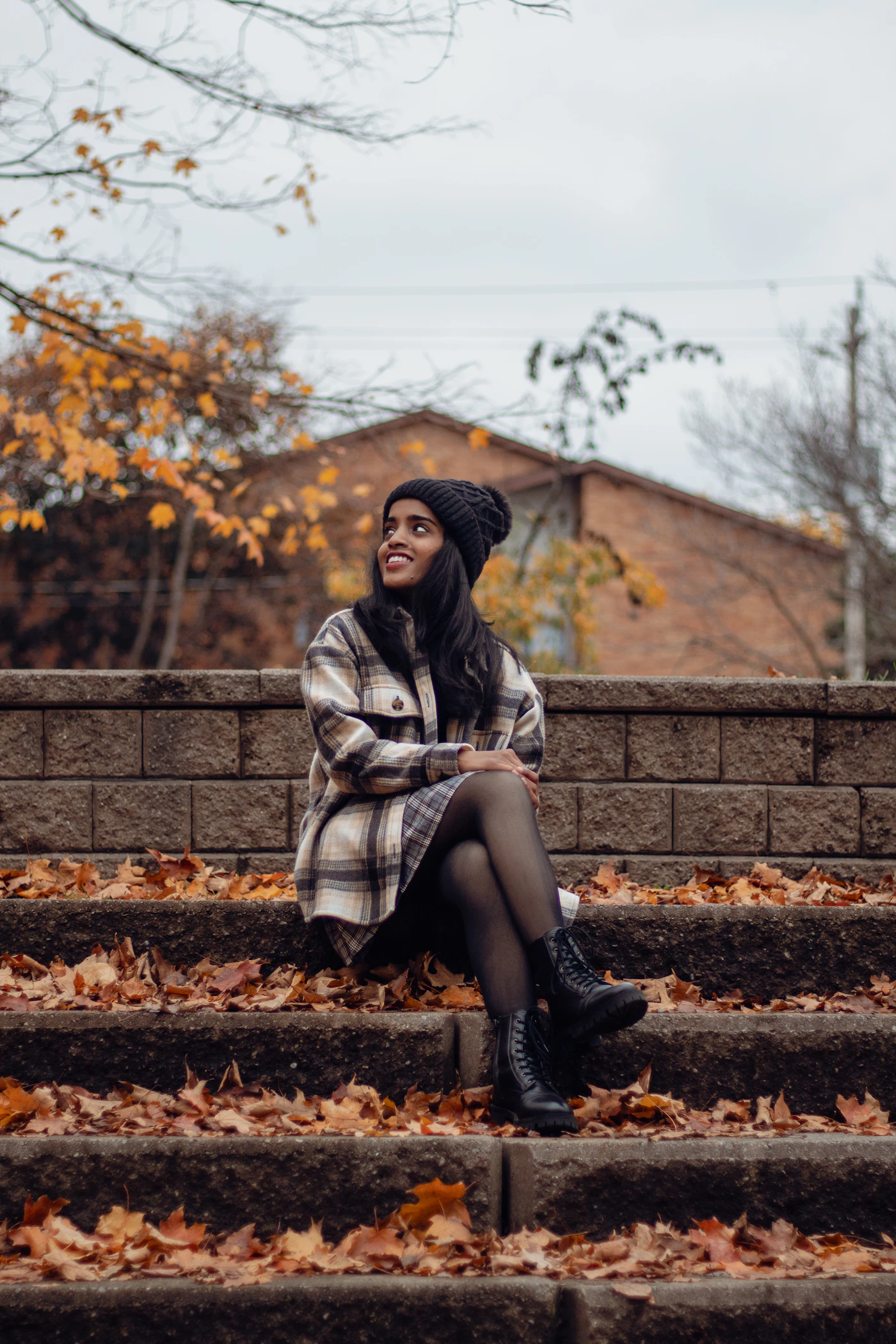
Fall weather rewards outfits that can change during the day. These 20 layering combinations are built around breathable bases, useful middle layers and outer pieces that can be removed without making the outfit look unfinished. Every idea has a different combination and a specific visual so the article is practical, not a list of interchangeable stock phrases.
Tee + Cardigan + Jeans
Start with a fitted or relaxed tee, add a mid-weight cardigan and finish with straight or relaxed jeans. This is the layer combination to reach for when the morning is cool but the afternoon may warm up. The cardigan can come off without leaving the outfit unfinished.

Button-Down + Sweater
Let a crisp button-down peek out beneath a crewneck sweater so the collar and cuffs create structure. Keep the trousers or denim simple and let the layered neckline do the styling work. It is an easy office-to-weekend formula.

Tank + Blazer
A tank gives you a light base for early-fall days, while a blazer adds structure without the bulk of a coat. Choose a slightly relaxed blazer so the two layers do not feel restrictive. Add jeans or tailored trousers depending on the setting.

Turtleneck + Denim Jacket
A fitted turtleneck creates a clean foundation beneath a denim jacket. Choose a jacket with enough room through the shoulders so the neckline remains comfortable. Dark denim or black jeans make the combination feel especially polished.

Dress + Cardigan
A simple dress can stay in rotation when temperatures drop if you add a soft cardigan. Wear it open for a longer vertical line or button a few middle buttons for more warmth. Boots instantly move the outfit into fall.

Shirt + Vest + Trousers
A tailored or knit vest adds a useful middle layer between a shirt and trousers. Keep the shirt visible at the neckline and cuffs so the layers read clearly. This is a particularly good option when a blazer feels too formal.

Hoodie + Structured Coat
A hoodie becomes much more polished when paired with a clean, longer coat. Keep the rest of the outfit simple so the contrast between casual knitwear and structured outerwear feels deliberate. It is practical for errands and travel days.

Knit + Leather-Style Jacket
A soft knit under a structured leather-style jacket creates the texture contrast that makes a simple outfit interesting. Choose a relatively fine knit so the jacket still sits cleanly. Straight denim keeps the proportions easy.

Tee + Overshirt
An overshirt is one of the easiest transitional layers because it can function like a light jacket. Wear it open over a tee, then close it when the temperature drops. A neutral overshirt works with almost any denim or trouser color.

Blouse + Cardigan + Skirt
A blouse and cardigan create a softer layered look, while a skirt keeps the silhouette feminine without feeling overly dressed. Tuck the blouse lightly and let the cardigan add texture. Ankle boots complete the fall direction.

Long-Sleeve Tee + Blazer + Jeans
Use a thin long-sleeve tee as the base under a blazer so the outfit stays warm without becoming bulky. Dark jeans make the combination feel sharper, while lighter denim keeps it relaxed. This is a dependable weekday formula.

Sweater + Scarf + Trousers
A scarf can add warmth without changing the basic proportions of an outfit. Choose a fine knit sweater and tailored trousers, then let the scarf provide the strongest color or pattern. Keep the rest quiet so it remains the focal layer.

Dress + Long Coat
A simple dress under a long coat creates one clean vertical line. The coat supplies most of the warmth while the dress keeps the outfit visually light. This combination is especially useful for dinners or days when you want a more elegant silhouette.

Shirt + Knit Vest + Jeans
A knit vest is a useful middle layer because it adds warmth while keeping the shirt visible. Choose contrasting textures rather than identical fabrics. Straight-leg jeans keep the overall look casual and balanced.

Base Layer + Puffer Vest
A fitted base layer and lightweight puffer vest are useful when you need warmth through the core but freedom through the arms. Add jeans or practical trousers and comfortable shoes. It is particularly useful for outdoor errands and walks.
Lightweight Knit + Trench
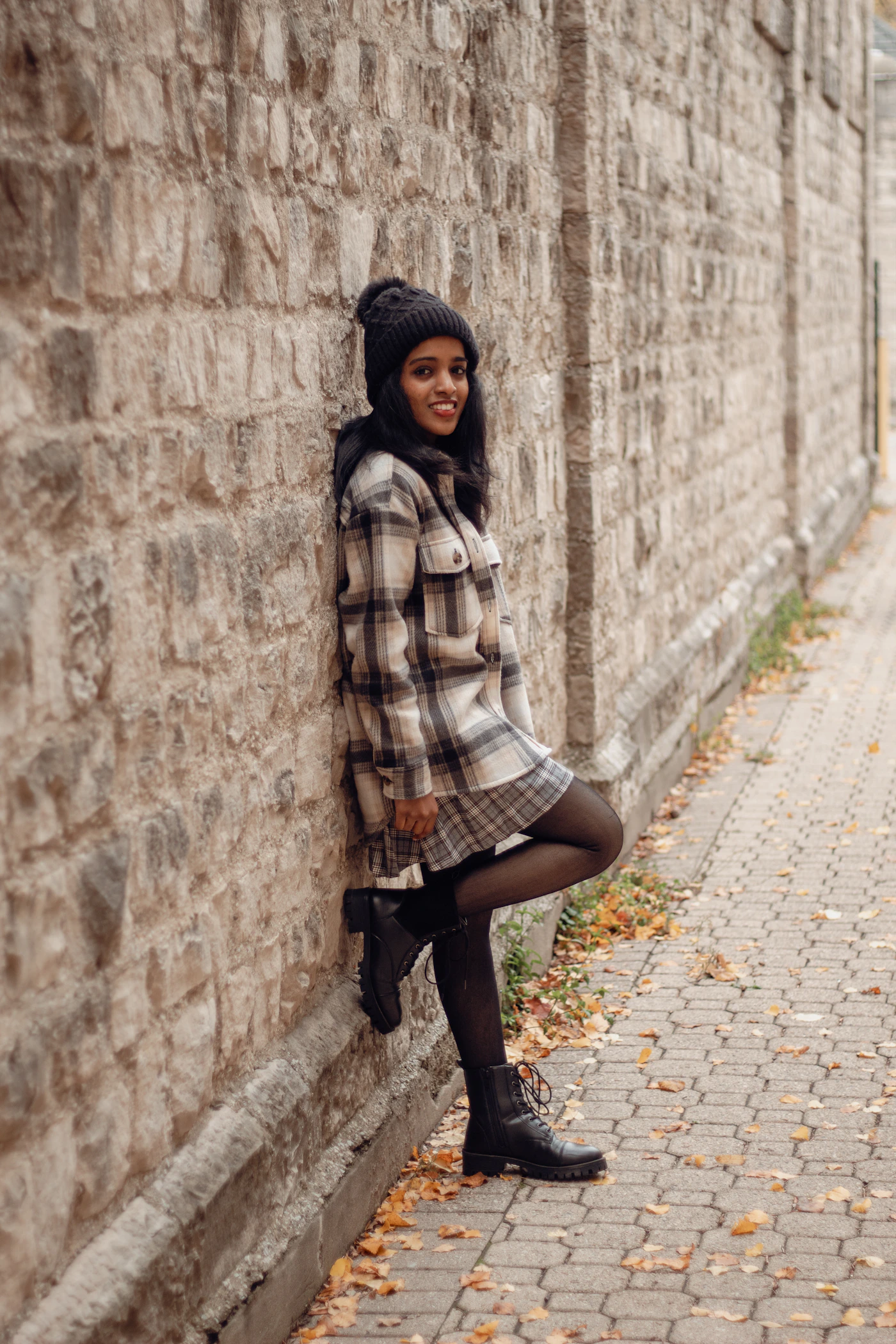
A fine knit beneath a trench works beautifully during rainy or windy transition days. The knit provides warmth while the trench blocks the elements without the weight of a winter coat. Keep the palette neutral for a clean city look.
Denim-on-Denim Layers
Denim can be layered successfully when the washes are clearly different. Try a lighter shirt or jacket with deeper denim below so the pieces do not visually merge. Keep accessories simple to let the texture carry the outfit.

Monochrome Layers
Choose several pieces from the same color family rather than trying to match them perfectly. Slight differences in tone make the layers more dimensional. Espresso, camel, cream, gray and navy all work particularly well for fall.
Neutral Base + Colorful Outer Layer
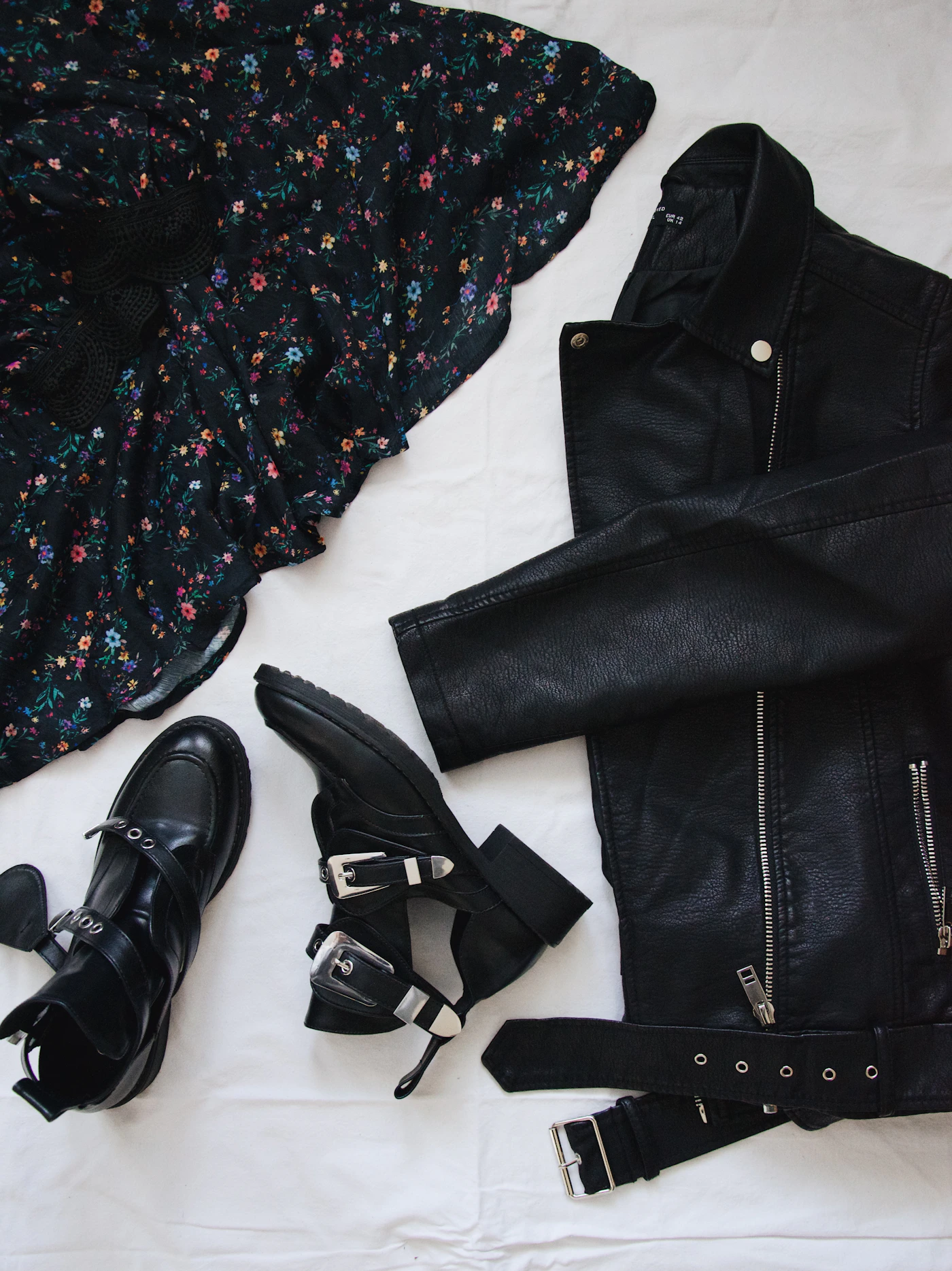
Keep the shirt, trousers and shoes neutral, then let the outer layer provide the seasonal color. Burgundy, olive, rust or deep blue can all work as the one strong note. This is an easy way to change the mood without rebuilding the whole outfit.

The Three-Layer Rule
For unpredictable weather, build around three jobs: a breathable base, a warm middle layer and an outer layer that protects against wind or rain. Each piece should look complete on its own so you can remove one without breaking the outfit. That is the real secret of good transitional dressing.
How to layer without looking bulky
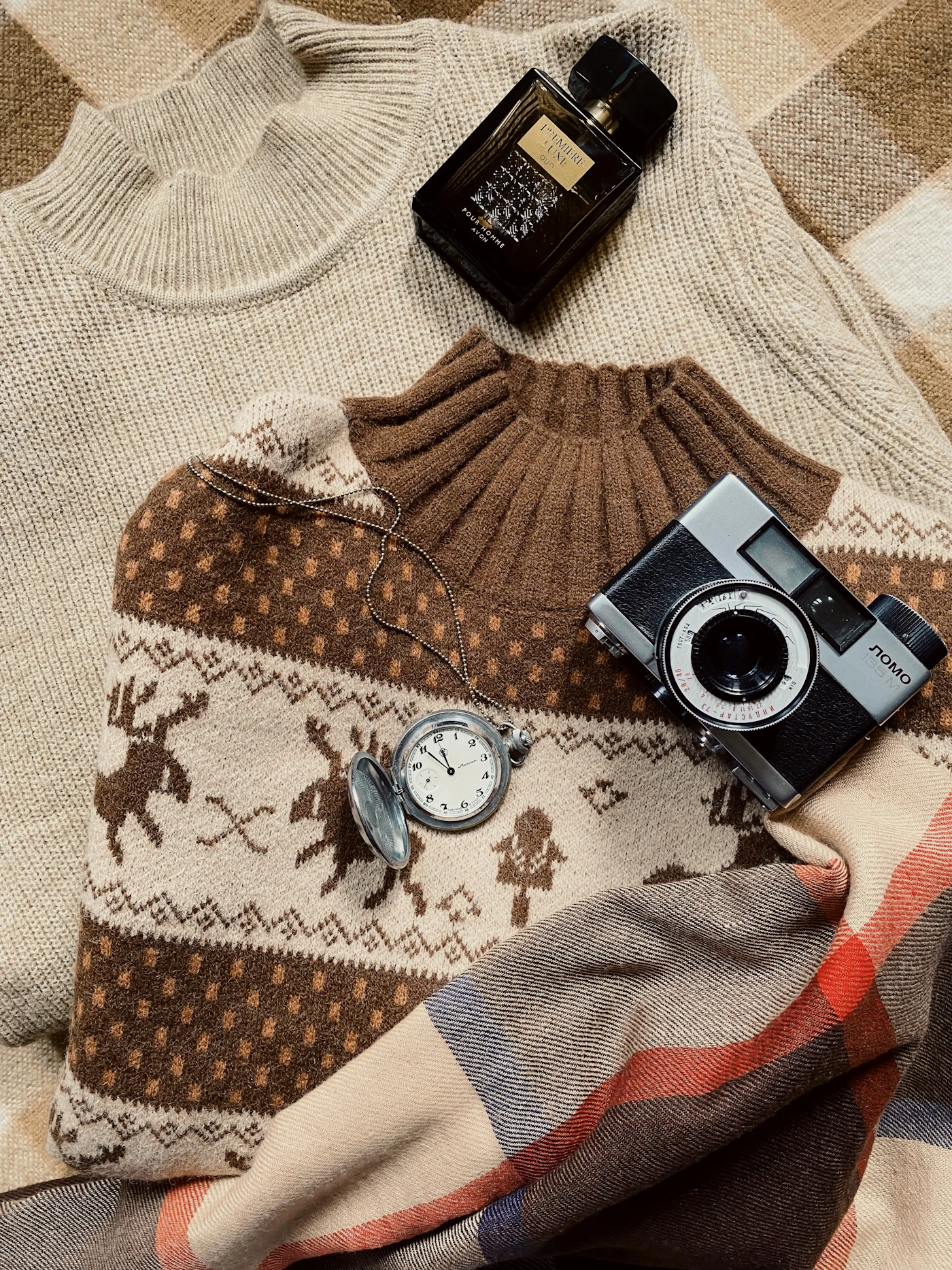
The goal is not maximum clothing; it is useful clothing. Keep the base relatively close to the body, choose a middle layer with room to move, and let the outer layer provide the final shape. When each layer has a different job, changing temperatures becomes much easier to handle.


